Every landlord hopes to welcome tenants who treat a property as if it were their own. The right people pay on time, take pride in their home, and usually stay longer. The wrong ones can cause sleepless nights. So, how do you attract tenants you can rely on?
At Mullucks, we’ve supported landlords across Hertfordshire, Essex, and the surrounding areas for decades. From market town apartments to countryside cottages, we know what makes a tenant a good match for a property. Here are some key insights to help landlords find tenants who are the right fit.
Related: How much can a landlord increase the rent?
Understand what tenants are looking for
Before focusing on what you want, it’s worth considering what tenants value most. In today’s rental market, many tenants prioritise:
- Well-maintained homes that they can feel proud of
- Transparent rental costs with no hidden surprises
- Energy efficiency to help with household bills
- Good communication with their landlord or agent
When your property reflects these expectations, it becomes more attractive to reliable tenants.
First impressions matter
The way a property is presented sets the tone for the tenancy. If a home looks cared for, tenants are more likely to respect it.
Present the outside well
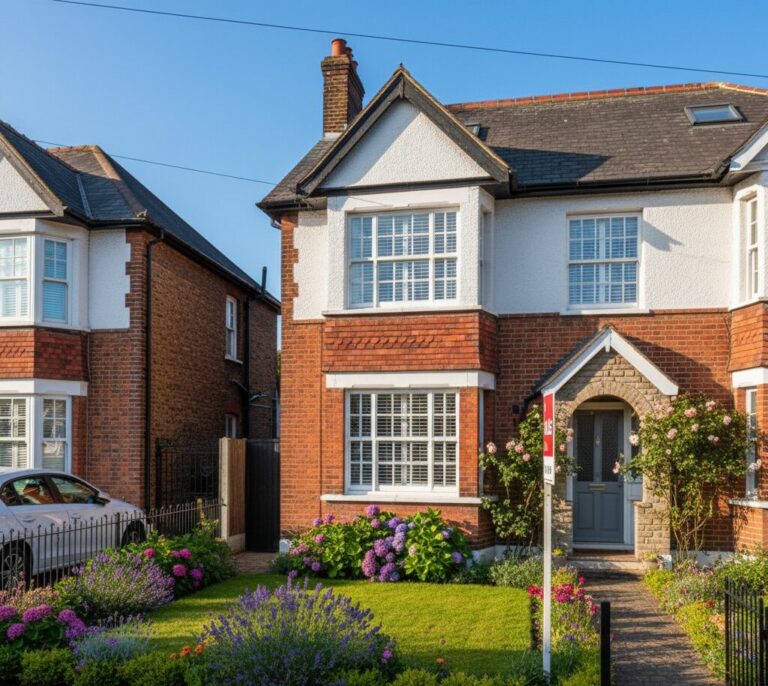
In commuter towns and villages, many prospective tenants form an opinion before they even step inside. Tidy gardens, swept paths, and freshly painted doors all help.
Create a welcoming interior
Neutral decor and good lighting make rooms feel larger and brighter. In older properties, combining character features with modern touches, like efficient heating or new appliances, can make a big difference.
Meet all legal standards
Gas safety checks, electrical reports, smoke alarms, and EPC ratings are non-negotiable. Being proactive about safety not only keeps you compliant but also reassures tenants that you take their well-being seriously.
Market your property effectively
Simply listing a property online isn’t enough to attract the best applicants. The presentation and reach of your marketing matters.
Quality photographs and floor plans
Professional photos highlight the strengths of a property, while a clear floor plan helps tenants picture how they would live there.
Related: Mullucks Media
Thoughtful wording
Avoid vague descriptions. Highlight what makes the property unique, perhaps it’s a short walk to the station, a garden that catches the evening sun, or a location near respected schools.
Trusted channels
Mullucks ensures rental homes are visible not only on national portals but also through our local network, where we already have tenants registered and waiting.
Look beyond the application form
Good tenants aren’t defined only by their paperwork. References and checks are vital, but a personal impression is just as important.
- Do they arrive promptly for viewings?
- Are they respectful and engaged in conversation?
- Do they show genuine interest in the property?
These small signs often speak volumes about how a tenant will behave once they move in.
Carry out thorough checks
Once an applicant looks suitable, due diligence is essential.
Employment and income
A stable income gives confidence that rent will be paid reliably. A common guide is that monthly earnings should be at least two and a half times the rent.
Credit history
A credit check helps flag up any history of arrears or insolvency. While one slip doesn’t necessarily mean a tenant isn’t suitable, patterns of missed payments are a concern.
References from previous landlords
These reveal how a tenant has treated past homes and whether they paid rent on time.
Right to Rent
Landlords in England are legally required to check tenants’ Right to Rent. This means verifying identity and immigration status documents before the tenancy begins.
Related: IMPORTANT UPDATE: The Renters’ Rights Act is now law | Mullucks
Match tenants to the property
Not every tenant suits every home, and recognising this helps avoid mismatched expectations.
- Town-centre flats often attract commuters who value quick rail links and low-maintenance living.
- Family houses in school catchment areas are usually chosen by tenants who plan to stay longer.
- Rural cottages may suit couples or retirees looking for peace and space.
Understanding the type of tenant your property is likely to appeal to helps set realistic expectations and marketing messages.
Offer terms that encourage long tenancies
Even good tenants may not stay long if the agreement feels unfair or unclear.
Set a realistic rent
Overpricing risks leaving a property empty, while underpricing reduces your return. Researching local rents or asking an agent for advice ensures you remain competitive.
Provide clarity from the start
A clear tenancy agreement outlining responsibilities helps avoid misunderstandings later. It should set out key obligations, payment terms, and how the property will be managed throughout the tenancy.
Protect deposits
All deposits must be held in a government-approved scheme. This provides peace of mind for tenants and avoids disputes.
Keep tenants happy once they move in
Securing good tenants is just the beginning; retaining them is just as important.
Respond quickly to repairs
Few things frustrate tenants more than ignored maintenance requests. Prompt action helps prevent small issues from becoming big problems.
Schedule regular inspections
Routine visits (with proper notice) reassure you that the property is in good condition and allow tenants to raise concerns.
Communicate clearly
Whether it’s explaining how the heating works or updating tenants about planned works, good communication builds trust and respect.
Related: Letting with Mullucks
In summary
Finding good tenants comes down to preparation, presentation, and patience. By showing your property at its best, advertising through the right channels, and carrying out thorough checks, you give yourself the best chance of success.
And if you’d prefer to leave the work to the professionals, Mullucks can take care of everything from marketing to management. That way, you can enjoy the benefits of being a landlord.